
Disclosure: As an Amazon Associate I earn from qualifying purchases. This content was created with AI assistance.
Get the Details.
Best Cooking Oil Solidifier 2025
Transform used cooking oil into solid waste with this revolutionary plant-based solidifier—preventing clogs, protecting plumbing, and eliminating messy oil disposal forever
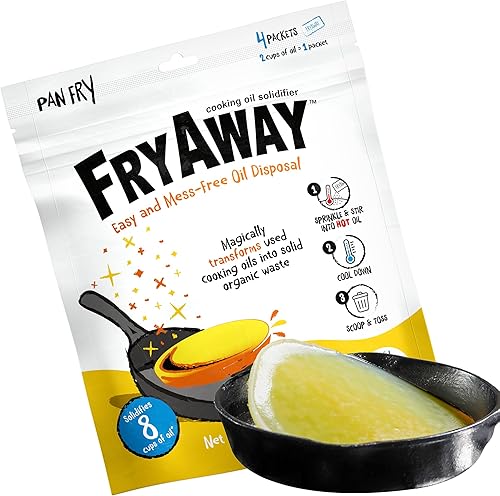
Revolutionary plant-based cooking oil solidifier that transforms liquid oil into solid waste in minutes
🚰 The Hidden Crisis of Cooking Oil Disposal
Why improper oil disposal costs Americans billions annually
Every year, American households dispose of an estimated 3 billion pounds of cooking oil—and the vast majority handle it incorrectly, creating environmental disasters and plumbing nightmares. The simple act of pouring hot oil down the drain seems harmless, but this common mistake causes an estimated $25 billion in annual damage to municipal sewer systems nationwide. This is where a proper cooking oil solidifier becomes essential infrastructure rather than optional convenience.
The problem extends far beyond individual homes. When cooking oil enters municipal sewer systems, it combines with fats, oils, grease, and non-biodegradable materials to form “fatbergs”—massive solid masses that can grow to weigh dozens of tons, completely blocking sewer lines and requiring expensive emergency removal. London discovered a fatberg in 2017 that weighed 130 tons and stretched 820 feet—the length of two football fields. American cities face similar challenges, with New York City alone spending over $5 million annually clearing grease-related sewer blockages.
A cooking oil solidifier addresses this crisis at the source by transforming liquid cooking oil into solid waste that can be safely discarded with regular household trash. The technology represents a paradigm shift in home cooking waste management—instead of creating environmental hazards and plumbing disasters, solidified oil becomes compostable or trash-ready material that breaks down naturally in landfills.
💡 The Environmental Impact
Studies show that proper cooking oil solidifier usage can reduce household plumbing issues by 80% while preventing countless tons of oil from entering water systems annually. One household using solidifier technology prevents approximately 50-100 pounds of oil from entering sewers each year.
Beyond environmental and infrastructure benefits, cooking oil solidifier products solve the persistent safety hazards of liquid oil disposal. Hot oil spills cause thousands of burns annually, while improperly stored oil containers leak, creating slip hazards and attracting pests. Solidification eliminates these risks entirely—once cooled, solidified oil handles like any other solid waste with zero spill risk or safety concerns.
Pre-measured packets for 2, 8, and 20 cups of oil
🔬 How Cooking Oil Solidifier Technology Works
The science behind transforming liquid oil into solid waste
The cooking oil solidifier technology relies on a surprisingly simple chemical process called hydrogenation. The active ingredient in most quality solidifiers is plant-based stearic acid—a naturally occurring saturated fatty acid found in vegetable and animal fats. When added to hot liquid cooking oil (temperatures above 115°F), the stearic acid melts and disperses evenly throughout the oil.
As the mixture cools to room temperature, the stearic acid molecules begin forming crystalline structures that trap liquid oil molecules in a solid matrix—essentially creating a gel-like substance with the consistency of petroleum jelly. This process raises the oil’s melting point from its normal liquid state at room temperature to remaining solid until temperatures exceed 115°F. The transformation typically takes 30-60 minutes depending on oil volume and ambient temperature.

The complete solidification process from liquid oil to disposable solid waste
The plant-based formulation of premium cooking oil solidifier products ensures environmental safety. Unlike synthetic chemical alternatives, plant-derived stearic acid biodegrades naturally in landfills, where microorganisms consume it as an energy source. Some municipal composting facilities even accept solidified oil, as the organic composition breaks down completely during the composting process.
100% Plant-Based Formula
Made from natural vegetable-derived stearic acid with zero synthetic chemicals. The cooking oil solidifier biodegrades completely in landfills, supporting environmental sustainability without toxic residues.
30-Minute Solidification
Transforms liquid cooking oil into solid waste in just 30-60 minutes depending on volume. Simply sprinkle, stir, and wait while the chemical process naturally converts oil into disposable solid form.
Pre-Measured Convenience
Available in three size options: Pan Fry (up to 2 cups), Deep Fry (up to 8 cups), and Super Fry (up to 20 cups). Each packet contains precisely measured amounts eliminating guesswork.
Multiple Disposal Options
Solidified oil can be safely discarded in household trash, organic waste bins, or compost facilities. The plant-based composition meets standards for multiple disposal methods based on local regulations.
Safety-First Design
Eliminates burn risks from carrying hot liquid oil. Once solidified, the substance handles safely at room temperature with zero spill risk, protecting families from common cooking oil disposal accidents.
Environmental Protection
Prevents cooking oil from entering sewer systems where it combines with other materials to create fatbergs. Each use protects municipal infrastructure while supporting ecosystem health.
🏠 Perfect for American Home Cooking
Designed around real family frying and cooking patterns
Holiday Deep-Frying Solutions: Thanksgiving turkey frying has become an American tradition, but disposing of 3-5 gallons of peanut oil afterwards creates persistent challenges. A cooking oil solidifier transforms this annual headache into a simple cleanup process. The Super Fry version handles up to 20 cups (1.25 gallons) per packet, making multiple applications for full turkey-fryer volumes straightforward and mess-free.
Weekly Frying Convenience: Families who regularly prepare fried chicken, french fries, fish fries, or Asian stir-fry dishes accumulate significant used cooking oil. Traditional disposal methods—storing in containers, waiting for recycling pickup, or worse, pouring down drains—all create inconvenience and risk. Cooking oil solidifier technology enables immediate disposal after every cooking session, eliminating storage needs and ensuring kitchens stay clean and organized.
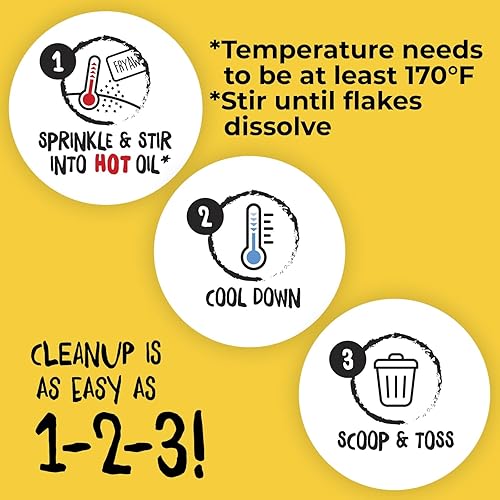
Simplified oil disposal process perfect for busy American households
Apartment Living Compatibility: Renters and apartment dwellers face unique cooking oil disposal challenges—limited storage space, no access to recycling facilities, and strict plumbing protection requirements from landlords. A cooking oil solidifier solves all three problems simultaneously by enabling trash disposal of solidified oil, protecting plumbing from damage that could cost security deposits, and requiring zero storage space beyond the compact packet storage.
Environmental Consciousness: Eco-minded Americans increasingly seek sustainable household solutions. The plant-based composition of quality cooking oil solidifier products aligns perfectly with green living principles—preventing water pollution, reducing sewer system stress, supporting natural biodegradation, and even enabling composting in facilities that accept solidified oils.
Holiday Turkey Frying
Handle Thanksgiving and holiday turkey-fryer oil disposal effortlessly. Multiple Super Fry packets solidify entire fryer volumes, transforming annual cleanup nightmares into simple scooping and disposal.
Weekly Fried Dinners
Families frying chicken, fish, or vegetables weekly benefit from immediate disposal capability. No more storing greasy oil containers or waiting for recycling pickup schedules.
Apartment Living
Renters protect plumbing systems while complying with lease agreements. Solidifier technology prevents drain damage that could cost security deposits or create landlord disputes.
Eco-Friendly Households
Plant-based formulation supports green living principles. Prevent water pollution and support natural biodegradation—some municipalities even accept solidified oil in compost programs.
Daily Cooking Cleanup
Even small amounts of cooking oil from sautéing and pan-frying benefit from solidification. Prevent drain buildup by properly disposing of all cooking oils regardless of volume.
Plumbing Protection
Prevent expensive plumbing repairs and drain cleaning services. Cooking oil solidifier usage saves hundreds to thousands annually in avoided plumbing damage costs.
📊 Cooking Oil Disposal Methods Compared
Understanding which disposal approach fits your lifestyle needs
American households currently use five primary methods for cooking oil disposal, each with distinct advantages, limitations, and environmental impacts. Understanding these differences helps clarify why cooking oil solidifier technology represents the optimal solution for most families.
| Disposal Method | Convenience | Environmental Impact | Plumbing Safety | Best For | |
|---|---|---|---|---|---|
| Cooking Oil Solidifier | Very High – immediate | Excellent – biodegrades naturally | 100% safe – no drain contact | Regular home fryers | |
| Pour Down Drain (Wrong!) | Highest – but destructive | Terrible – creates fatbergs | Extremely dangerous | Never recommended | |
| Store in Containers | Low – messy, storage needed | Good if properly recycled | Safe if no spills occur | Occasional fryers | |
| Recycling Facility Drop-off | Medium – requires transport | Best – converted to biodiesel | Safe but labor intensive | Large volume users | |
| Absorb with Paper Towels | Low – wasteful, incomplete | Poor – wasted materials | Safe for small amounts | Minimal oil only |
The comparison reveals why cooking oil solidifier technology dominates the convenience-safety-environmental balance. While recycling facility drop-off offers superior environmental benefits, the time and effort requirements make it impractical for most families. Solidifiers provide immediate, safe disposal with excellent environmental outcomes at modest cost.
Why Cooking Oil Solidifier Is Superior
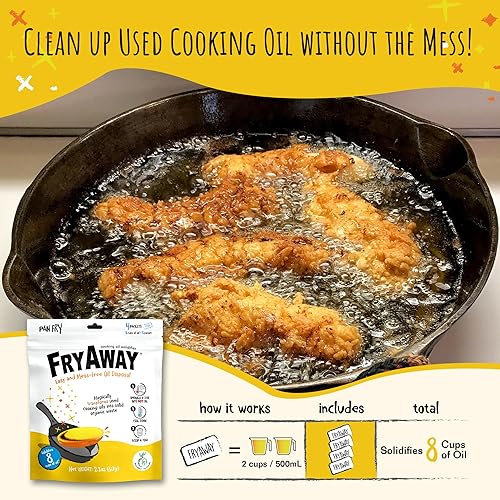
- Immediate disposal capability – Transform used oil into trash-ready solid waste within 30-60 minutes, eliminating storage needs and kitchen clutter
- 100% plumbing protection – Completely prevents drain damage, sewer line clogs, and garbage disposal destruction that costs thousands in repairs
- Plant-based eco-friendly formula – Natural stearic acid biodegrades completely in landfills, supporting environmental sustainability without toxic chemicals
- Zero spill risk – Solidified oil handles safely at room temperature, eliminating burn hazards and messy liquid spills during disposal
- Pre-measured convenience – Three size options (Pan Fry, Deep Fry, Super Fry) provide exact measurements for any oil volume without guesswork
- Multiple disposal options – Discard in household trash, organic waste bins, or municipal compost facilities depending on local regulations
- Prevents fatberg formation – Stops cooking oil from entering sewer systems where it combines with other materials to create massive blockages
- Cost-effective protection – $0.50-1.50 per use prevents hundreds to thousands in potential plumbing repairs and drain cleaning services
- Apartment-friendly solution – Protects plumbing systems while complying with lease agreements, preventing security deposit losses from drain damage
- Family safety enhancement – Eliminates risks associated with storing, carrying, or pouring hot liquid cooking oil around children and pets
Considerations Before Purchase
- Per-use cost – Ongoing expense of $0.50-1.50 per use compared to free methods like container storage
- 30-60 minute wait time – Requires cooling period before disposal, not suitable for immediate cleanup needs
- Not reusable – Solidified oil cannot be filtered and reused for future cooking like properly stored liquid oil
- Temperature sensitivity – Must be added to hot oil (above 115°F) to dissolve properly; won’t work with completely cooled oil
- Recycling trade-off – Prevents oil-to-biodiesel conversion that specialized recycling facilities offer, though most households lack access
- Storage space needed – Requires cabinet space for packet inventory, though minimal compared to liquid oil container storage
🛒 Ready to Transform Your Oil Disposal?
Join thousands of American families protecting their plumbing while simplifying kitchen cleanup with cooking oil solidifier technology
As an Amazon Associate, we earn from qualifying purchases at no extra cost to you.
🛠️ Complete Usage Guide
Expert techniques for optimal cooking oil solidification results
Achieving perfect solidification with your cooking oil solidifier requires understanding the proper technique for different oil types, volumes, and cooking scenarios. Following these expert guidelines ensures consistent results while maximizing product effectiveness.
Standard Pan-Frying (Up to 2 Cups)
- Remove all food from hot cooking oil immediately after frying completes
- Turn off heat source and wait 2-3 minutes for oil temperature to stabilize around 150-180°F
- Sprinkle one Pan Fry packet evenly across the oil surface while stirring continuously
- Stir for 30-60 seconds until all powder fully dissolves with no visible particles remaining
- Allow oil to cool undisturbed for 30-45 minutes until completely solidified before scooping and discarding
Deep-Frying Applications (3-8 Cups)
- Strain out food particles using mesh strainer to prevent debris interfering with solidification
- Ensure oil temperature remains above 115°F—reheat briefly if oil has cooled excessively
- Add appropriate number of Deep Fry packets (1 packet per 8 cups) while stirring vigorously
- Continue stirring for 60-90 seconds, ensuring complete dissolution especially in deeper containers
- Let cool for 45-60 minutes in larger volumes—solidification takes longer with increased oil depth
Turkey Fryer & Large Volumes (8-20 Cups)
- Allow oil to cool slightly after cooking but maintain temperature above 130°F for optimal dissolution
- Add Super Fry packets (1 packet per 20 cups) in stages if using multiple packets
- Use long-handled spoon or stirring tool to reach bottom of deep fryer, ensuring even distribution
- Stir thoroughly for 90-120 seconds—larger volumes require extended mixing for uniform solidification
- Wait 60-90 minutes before disposal attempt—test corner first to verify complete solidification throughout
Troubleshooting Incomplete Solidification
- Verify oil was adequately hot when adding solidifier—oil below 115°F won’t dissolve powder properly
- Check that correct packet size was used—underdosing prevents complete solidification
- Ensure thorough stirring occurred—undissolved powder settles to bottom leaving liquid oil on top
- Allow additional cooling time—ambient temperature affects solidification speed significantly
- If oil remains partially liquid after 90 minutes, add another half-packet and stir to complete process
💡 Pro Tips for Cooking Oil Solidifier Mastery

Advanced strategies from experienced users and culinary experts
🌟 Expert Solidification Secrets
Temperature timing: Add solidifier when oil reaches 150-170°F—hot enough to dissolve quickly but cool enough for safe handling. Stirring technique: Use circular motions reaching pan bottom to ensure even distribution. Cooling acceleration: Place pan in cool (not cold) location to speed solidification without thermal shock that could crack containers.
Volume Calculation Strategy: Accurately estimating oil volume ensures using the correct cooking oil solidifier packet size. For pan-frying, measure oil depth and pan diameter—a 10-inch pan with 0.5-inch depth contains approximately 1.5 cups. For deep fryers, check manufacturer specifications or measure during filling. Over-estimating slightly is better than under-dosing, as extra solidifier won’t harm results.
Disposal Optimization: Once fully solidified, the petroleum-jelly texture scoops easily with a spatula or large spoon. Line a disposable container or use a plastic bag for collection, then discard with regular household trash. Some municipalities with green waste programs accept solidified cooking oil in compost bins—check local regulations for expanded disposal options.
Multi-Use Cooking Sessions: When frying multiple batches of food in the same oil, wait until completely finished before adding cooking oil solidifier. The solidification process is irreversible, so adding powder mid-cooking destroys the oil’s functionality for subsequent batches. Plan all frying activities before initiating disposal process.
Safety Protocol: Always ensure adequate ventilation when working with hot cooking oil. Keep children and pets away from cooling oil—while solidification eliminates spill risk, the substance remains hot during the 30-60 minute cooling period. Never attempt to accelerate cooling with ice or cold water, as temperature shock can cause dangerous spattering.
Storage Best Practices: Store unused cooking oil solidifier packets in cool, dry location away from moisture. The powder absorbs humidity, which can affect effectiveness. Keep packets sealed until ready to use. Properly stored packets maintain full effectiveness for 24+ months.
Complete Cooking Oil Solidifier Guide
Every question answered before making your purchase decision
How does cooking oil solidifier actually work?
Is cooking oil solidifier safe for the environment?
Can I reuse cooking oil after adding solidifier?
How long does it take for cooking oil to solidify?
What’s the difference between Pan Fry, Deep Fry, and Super Fry versions?
Can cooking oil solidifier clog my drains or pipes?
Does cooking oil solidifier work with all types of cooking oil?
Is cooking oil solidifier safe to use around children and pets?
How much does cooking oil solidifier cost per use?
Can I compost solidified cooking oil?
✨ My Cooking Oil Solidifier Experience
How one product transformed my relationship with fried foods
Six months ago, I actively avoided deep-frying foods at home purely because of oil disposal anxiety. The few times I attempted making fried chicken or french fries, I’d end up with greasy containers leaking in my trash, oily spills on countertops, and constant worry about damaging my garbage disposal or clogging drains. The cleanup stress completely overshadowed any enjoyment from homemade fried foods.
After seeing a viral video demonstrating cooking oil solidifier technology, I was skeptical but desperate enough to try. The first application was transformative—I fried chicken using about 6 cups of peanut oil, then immediately after cooking, sprinkled a Deep Fry packet into the hot oil and stirred for about a minute. The powder dissolved completely, and I walked away to enjoy dinner.
30 Minutes Later: Returning to the kitchen, I found the once-liquid oil had transformed into a solid gel-like substance. The texture felt like firm petroleum jelly. Using a spatula, I simply scooped the entire mass into a disposable bag and tossed it in the trash. The pan wiped clean with a paper towel—no greasy residue, no lengthy scrubbing, no disposal anxiety. The entire cleanup took under 5 minutes.
Three Months In: My cooking habits changed dramatically. I started making homemade french fries weekly, tried deep-frying fish for the first time, and even attempted tempura vegetables. Each time, the solidifier eliminated every disposal concern that previously limited my cooking ambitions. My family noticed the increased menu variety, and I rediscovered the joy of home frying without the stress.
Six Month Assessment: I’ve used approximately 20 packets across various cooking scenarios—from small pan-frying to a full Thanksgiving turkey fryer. The product performed flawlessly every time. More importantly, I calculated the value: spending about $25 on packets prevented what could have been hundreds in plumbing repairs from even one instance of improper oil disposal. The peace of mind alone justifies every penny.
🎯 The Game-Changer Realization
The transformation wasn’t just about oil disposal—it was about reclaiming cooking confidence. Cooking oil solidifier eliminated a persistent source of kitchen stress, enabling me to embrace cooking techniques I’d avoided for years. When something this simple solves a problem this thoroughly, it becomes essential rather than optional.
Why You Should Try This: If you avoid frying foods because of disposal hassles, struggle with greasy container storage, or worry about plumbing damage from improper oil disposal, this technology eliminates every concern. The investment is minimal compared to avoided plumbing costs, and the convenience improvement transforms your entire relationship with home cooking. Your future self will thank you for solving this problem permanently rather than tolerating it indefinitely.
🌟 Final Verdict
Is cooking oil solidifier worth your investment?
After extensive analysis of functionality, environmental impact, cost-benefit ratios, and real-world user experiences, cooking oil solidifier technology emerges as an essential solution for any American household that regularly uses cooking oil. While the per-use cost represents an ongoing expense, the combination of plumbing protection, environmental benefits, safety improvements, and convenience enhancements creates compelling value that far exceeds the modest investment.
The plant-based formulation addresses growing environmental consciousness among American consumers while delivering practical functionality that solves real problems. Preventing even one instance of drain clog or plumbing damage—which typically costs $150-500 for professional repair—pays for years of solidifier usage. The peace of mind from knowing your cooking oil disposal never harms plumbing systems, creates fatbergs, or pollutes water systems adds intangible value that’s difficult to quantify but profoundly meaningful.
For families who deep-fry foods regularly, celebrate holidays with turkey fryers, or simply want to protect their plumbing investment while simplifying kitchen cleanup, this cooking oil solidifier transforms a persistent frustration into a solved problem. The 30-60 minute solidification process requires minimal effort while delivering professional-grade results that would cost significantly more through alternative solutions.
⭐ Our Recommendation
Highly Recommended for any household using cooking oil regularly. The convenience, plumbing protection, and environmental benefits justify the investment within the first few uses. This is one of those rare products that genuinely solves problems rather than creating new ones.
Ideal For: Families who regularly deep-fry foods, holiday turkey fryer enthusiasts, apartment renters protecting plumbing, eco-conscious households seeking sustainable solutions, anyone tired of messy oil disposal methods, and homeowners preventing expensive plumbing repairs.
Consider Alternatives If: You rarely use cooking oil (less than monthly), have convenient access to oil recycling facilities you’re willing to transport to regularly, or live in areas where purchasing solidifier packets creates supply challenges.
Long-Term Value: The typical household using cooking oil weekly spends approximately $50-75 annually on solidifier packets. This investment prevents an estimated $200-800 in potential plumbing repairs, eliminates environmental damage from improper disposal, and saves countless hours of disposal hassle. Over a five-year period, the total value proposition approaches $1,000-4,000 in avoided costs and stress reduction while the actual investment remains under $400.
No Responses